01
October 22, 2026
Merchant of Record: DIY vs Outsourcing. What does improvisation really cost you?

A robust logistics infrastructure guarantees conversions. Discover the storage and shipping rules for the main product categories.
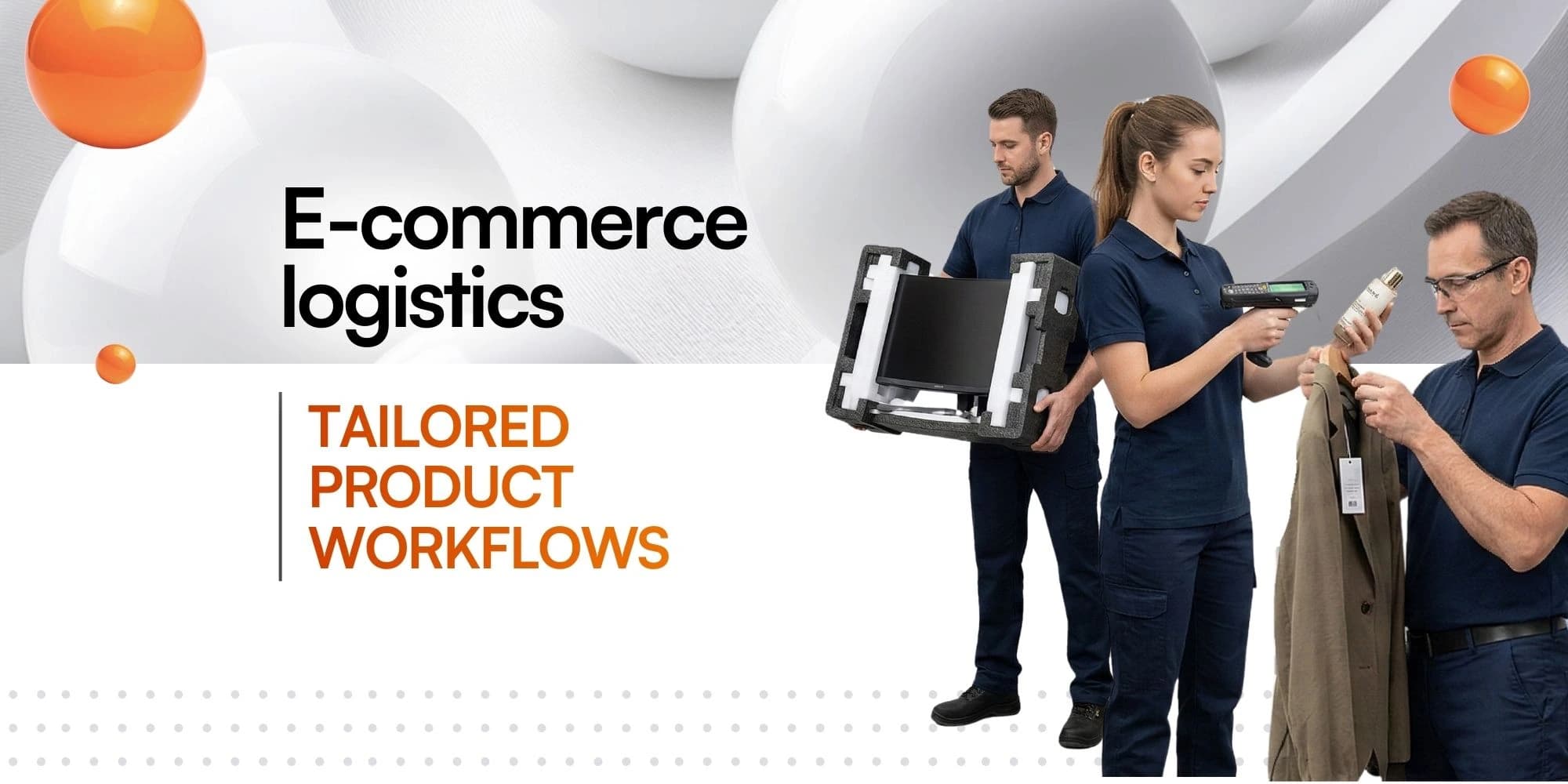
Those who integrate their products into marketplaces or manage a direct website with a diverse catalogue tend to view e-commerce logistics as a standardised activity.
While it is common to recognise strict regulations within the food sector, operational differences in other product categories often seem less obvious. However, it is precisely the ability to manage the technical requirements of each product that defines the line between a mediocre service and a premium shopping experience.
For instance, while the fashion sector requires optimised flows to handle high return rates and seasonal trends, tech logistics demands superior security protocols to prevent latent damage to high-value devices. Similarly, the beauty sector requires constant monitoring of batches and expiry dates to ensure product integrity.
Every product category represents its own ecosystem, with physical constraints and handling requirements that necessitate a bespoke e-commerce logistics project.
Today’s digital market is dominated by vastly different sales categories: from electronics and clothing to cosmetics, ambient food, beverages, and pet food. Managing high volumes for these sectors within a hybrid warehouse requires the creation of clearly segregated workflows.
Entrusting the handling of a curved monitor to the same operators processing clothing returns exposes the company to operational inefficiencies and financial loss.
Every product type requires a tailored approach.
Fashion and Apparel: The operational focus is on high-frequency returns management. A returned item requires rigorous quality control to verify integrity and the presence of tags, followed by re-packaging and immediate re-entry into the system. The goal is to restore stock as quickly as possible to avoid missing sales during the relevant season.
Consumer Electronics: The economic value and fragility of components require restricted-access storage areas and shock-absorbing packaging. The primary objective is to prevent "hidden damage" caused by vibrations and impacts during transit.
Beauty and Cosmetics: The priority is traceability. Management systems must adhere to strict stock rotation logic to prevent batch expiration and ensure compliance with cosmetic regulations.
Ambient Food, Drinks, and Pet Food: Managing long-life foods, oil bottles, and pet products requires maximum efficiency in picking and packing. This compensates for lower unit margins through high fulfilment volumes and secure packaging for liquids.
Organic Products: The presence of organic-certified items introduces a complex operational variable. These products require dedicated storage rules, rigorous documentary traceability, and isolated areas to eliminate any risk of cross-contamination. [Read more about our certified organic area here]
Beyond physical movement, each product category requires specific algorithmic logic for picking.
In the technology sector, logistics requires individual item traceability via a unique serial number (or IMEI for smartphones). Registering this in the system at the time of packing is essential for tracking warranty validity and preventing cyber fraud or illicit substitutions during the return phase.
For Beauty, Food, or Pet Food categories, the warehouse must operate according to FEFO (First Expired, First Out) logic. The management software must guide the operator to systematically pick the batch with the nearest expiry date, minimising business waste and ensuring the end consumer receives a compliant and safe product.
The chosen sales platform adds a further layer of complexity. The operations required to fulfil an order from a proprietary site differ profoundly from the processes required by third-party platforms.
Purchasing from a direct online shop allows the brand to curate unboxing details and personalise packaging materials. The company maintains total control over customer data while taking on the entire technical infrastructure, from order receipt to after-sales support.
Presence on marketplaces imposes standardised rules. International generalist platforms require valid EAN codes, descriptions in the local language, and mandatory dispatch times. A logistical error, such as a shipping delay or incorrect stock update, leads to seller account penalties or the suspension of product visibility.
Relying on a structured third-party e-commerce logistics provider allows these complexities to be absorbed. T-Data operates as an E-commerce Service Provider, supporting brands in managing all critical phases, operating simultaneously across direct channels and marketplaces.
Hybrid Catalogue Coordination: Stock synchronisation considering specific rotations and seasonality for every product sector.
Merchant of Record (MoR): Direct management of collections and cross-border tax liabilities.
Multilingual Customer Care: Structured assistance to meet the requirements of foreign marketplaces and support buyers on proprietary sites.
Specialised Transport: Selection of suitable carriers for handling fragile goods, luxury items, or products subject to expiry.
Centralising operations through a single partner guarantees scalability, regulatory compliance, and full control over corporate margins.